Jersey bar vs hat bar
We run both. They are built on the same idea and they behave differently in a room, and the difference matters more than most planners expect.
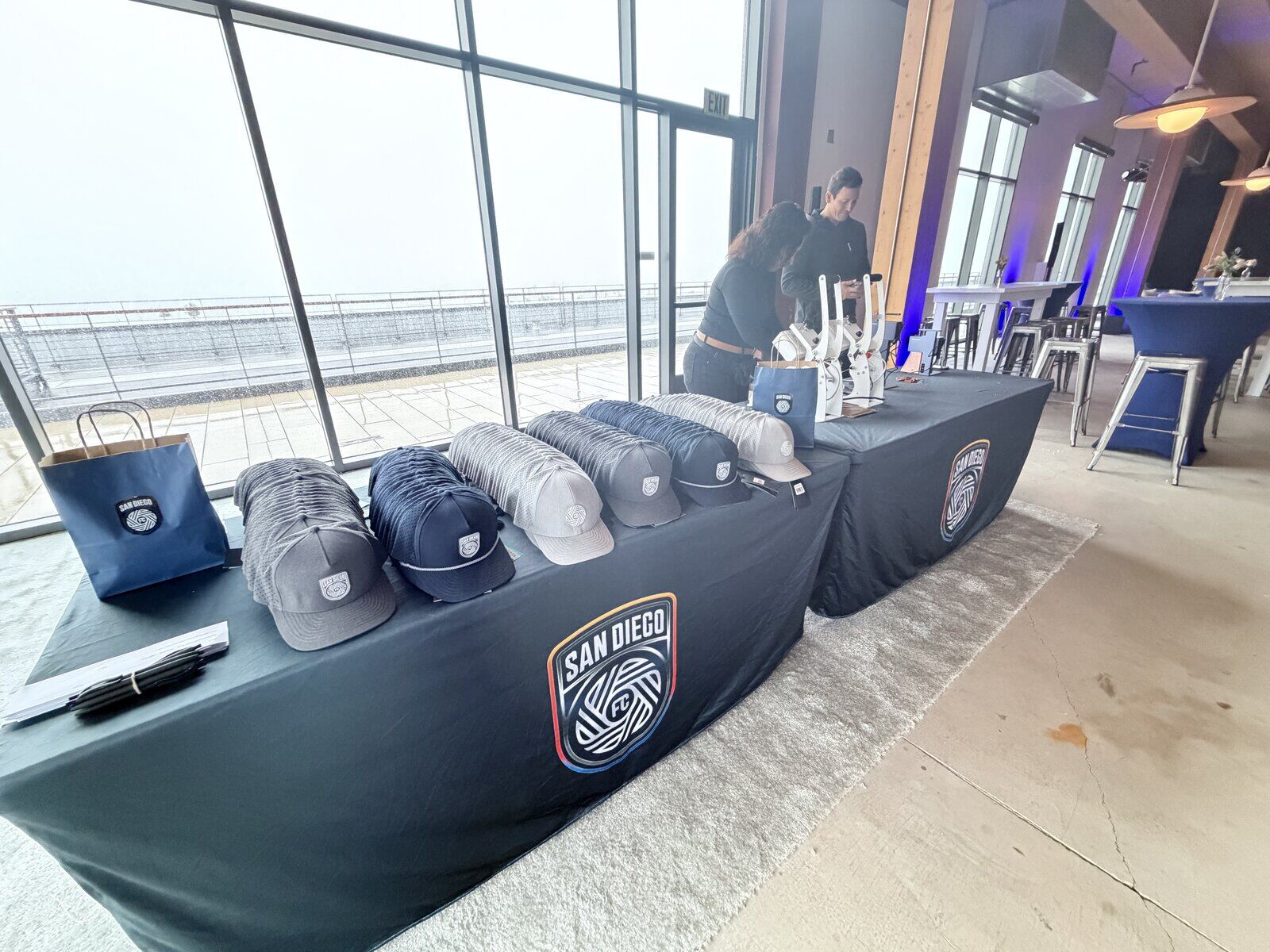
A hat bar and a jersey bar are the same species. Guests approach a counter, make a small number of choices, and an operator finishes the item live while they wait. If you have run one successfully, you already understand ninety per cent of the other. The remaining ten per cent is where the planning decisions live.
Inventory: the biggest practical difference
Hats are essentially one size. You order a quantity, you order a colour or two, and the only way to run out is to run out entirely. Jerseys carry a size curve — adult XS through 3XL at guest-facing events — which means you are forecasting distribution as well as volume.
This is manageable, and we manage it by capping counts per size so a depleted size vanishes from the tablet picker instead of producing an awkward conversation at the counter. But it does mean the planning call for a jersey bar includes a genuine question about who is in your room. A mitzvah skews small; a corporate holiday party skews the other way; a wedding is unpredictable until you look at the guest list.
Decision speed at the counter
A hat bar decision is visual. Guests look at a tray of patches, pick the ones they like, and point. It is fast, tactile and easy to make while holding a drink.
A jersey bar decision is textual. The guest has to decide what word describes them tonight, which takes a beat longer and produces something considerably more personal. Nine characters is a tight brief, and people take it seriously. That extra beat is not a problem — it is what makes the result feel earned — but it does mean per-guest time at the tablet is slightly higher.
Cost per guest
Hats cost less per unit than jerseys, straightforwardly. Both formats share the same staffing structure — $250 per hour, one operator per press lane, setup and teardown inside the clock — so the difference lands almost entirely in the blank cost.
That said, there is a category of client for whom a jersey bar is the cheaper option: anyone who already owns the garments. Teams, clubs, leagues and sponsors frequently have kit sitting in boxes, and personalizing what you own removes the largest line from the quote. Nobody has ever called us with a warehouse of blank caps they were hoping to use up.
Photo payoff
This is where the jersey wins outright. A cap reads from a few feet away. A jersey back reads across an entire room, photographs from behind, and appears in every group shot for the rest of the night whether or not anyone was aiming at it. If your event has a photographer or you care what the room looks like in other people's phones, that difference is significant.
Which one for which room
- Choose a hat bar for daytime outdoor events, trade show booths with tight footprints, crowds in business dress who will not layer a jersey over a blazer, and events where you need maximum guest count per dollar.
- Choose a jersey bar for parties with a theme, sport-adjacent crowds, big group photos, wedding weekends, mitzvahs, and any room where the number on the back can mean something.
- Choose both for long events. A second station gives guests a reason to come back after their jersey is done, and the two queues balance each other.
The honest recommendation
If you are torn, answer one question: is there a number that means something to your event? A birthday age, a wedding year, a class year, a jersey number somebody already wears. If there is, run the jersey bar — the number is doing work no hat can do. If there is not, a hat bar will serve the same crowd for less money and you will not miss anything.